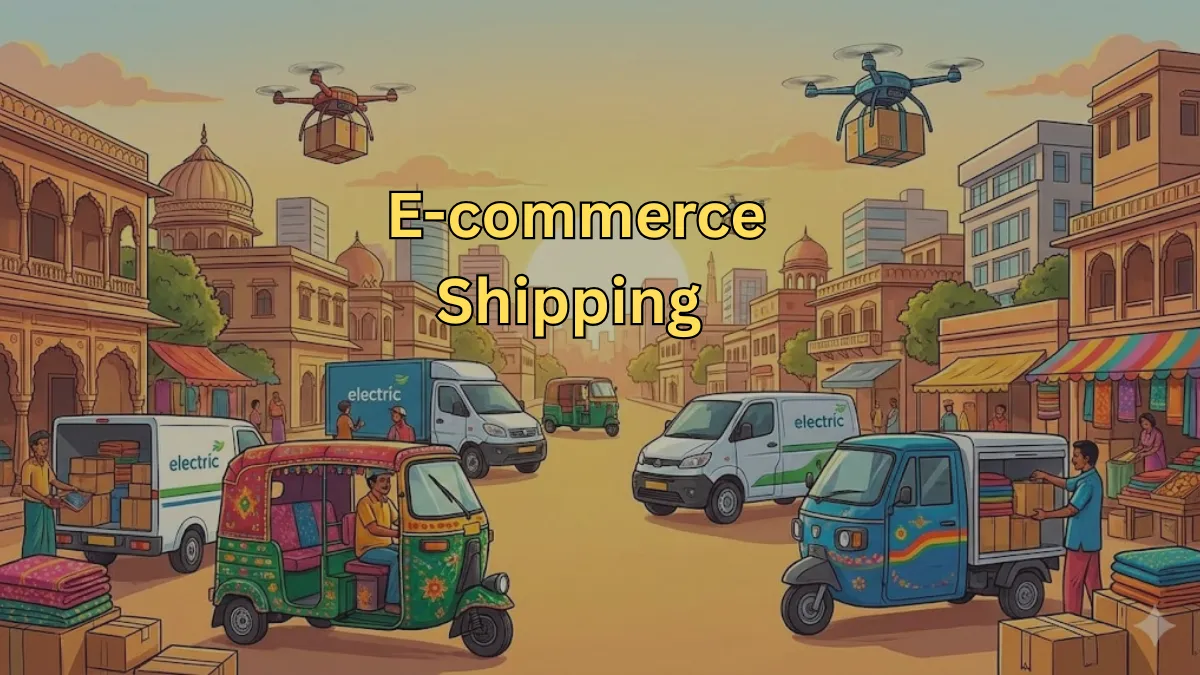
E-commerce has transformed the way we shop, but shipping remains the heartbeat of the entire online shopping experience. In 2026, shipping is no longer just about moving products from warehouses to customers—it’s becoming a key differentiator that can make or break businesses. From faster delivery expectations to sustainable logistics, the trends shaping e-commerce shipping are poised to redefine how companies operate and compete globally.
Understanding these trends isn’t just for logistics teams; it’s crucial for marketers, product managers, and business owners who want to stay ahead in a highly competitive market. Let’s explore the most impactful e-commerce shipping trends that are set to change the game.
1. Hyper-Fast Delivery: Meeting Instant Gratification
Customers today expect their orders faster than ever. The rise of same-day and even one-hour delivery is no longer limited to tech giants—small and medium businesses are exploring innovative solutions to keep up.
- Local fulfillment centers: Brands are placing mini-warehouses closer to urban hubs to cut down delivery times.
- AI-driven route optimization: Algorithms now predict the fastest delivery routes, considering traffic, weather, and demand patterns.
- Crowdsourced delivery: Using local couriers or gig workers enables flexible and rapid delivery options.
Businesses that can meet these speed expectations often see higher repeat purchases and stronger brand loyalty. But speed isn’t everything—accuracy and reliability remain equally important.
2. Sustainable and Green Shipping
Eco-conscious consumers are influencing how companies ship products. Sustainability is no longer optional; it’s a demand that shapes purchasing decisions.

- Carbon-neutral shipping options: Many e-commerce brands now allow customers to choose eco-friendly delivery, even at a premium.
- Reusable and minimal packaging: Reducing packaging waste not only appeals to customers but also cuts costs in the long term.
- Electric and hybrid delivery fleets: Leading companies are investing in cleaner vehicles to reduce emissions and future-proof operations.
Implementing green shipping strategies can strengthen brand trust and create a competitive edge in a market where environmental responsibility matters.
3. Smart Automation in Warehousing and Fulfillment
Automation isn’t new, but its adoption in 2026 is accelerating. Intelligent systems are transforming how products are stored, picked, and shipped.

- Robotic picking systems: Robots can now handle complex sorting and packing tasks, reducing human error and increasing speed.
- AI inventory management: Predictive analytics ensure stock levels match demand, preventing delays and backorders.
- Automated packaging solutions: Machines now optimize box sizes per order, saving materials and shipping costs.
Automation reduces operational costs, increases accuracy, and allows human teams to focus on strategic tasks like customer experience and logistics planning.
4. Cross-Border E-commerce Expansion
Global online shopping continues to grow, and shipping innovations are enabling smoother international deliveries.

- Localized fulfillment centers: Placing inventory closer to international markets reduces shipping time and customs delays.
- Integrated customs solutions: AI-driven platforms now handle tariffs, taxes, and documentation, simplifying cross-border logistics.
- Transparent tracking systems: Real-time updates give customers confidence, reducing cancellations and complaints.
Businesses that adapt to these trends can tap into new markets efficiently, turning international shipping challenges into growth opportunities.
5. Personalized and Flexible Delivery Options
Delivery is no longer a one-size-fits-all experience. Consumers now want options that match their lifestyles and preferences.

- Scheduled delivery windows: Customers can pick exact time slots that suit their routines.
- Pickup and locker solutions: Convenient alternatives reduce missed deliveries and improve satisfaction.
- Subscription-based shipping: Regular delivery of consumables with flexible frequency enhances convenience and retention.
Tailoring delivery experiences increases customer satisfaction and encourages repeat business, ultimately boosting long-term profitability.
6. Advanced Tracking and Transparency
Modern customers expect full visibility into their orders. Shipping transparency is now a key factor in customer trust.
- Real-time tracking dashboards: Customers can see where their package is at every stage of the journey.
- Proactive notifications: Alerts about delays, reroutes, or delivery updates improve the experience and reduce frustration.
- Data-driven insights: Companies use tracking data to identify bottlenecks and optimize the delivery process.
Transparency not only enhances satisfaction but also reduces support costs and builds credibility for the brand.
7. Integration of AI and Predictive Analytics
Artificial intelligence is revolutionizing e-commerce logistics, enabling smarter decision-making.
- Demand forecasting: AI predicts trends and adjusts shipping schedules accordingly.
- Dynamic pricing for shipping: Algorithms can optimize shipping costs based on demand, distance, and delivery urgency.
- Route prediction and optimization: AI anticipates traffic patterns, weather disruptions, and operational delays for faster, more reliable deliveries.
Businesses that embrace AI-driven shipping gain efficiency, reduce costs, and improve customer satisfaction—a triple win.
Conclusion: Shipping as a Strategic Advantage
E-commerce shipping trends in 2026 are more than operational improvements—they are strategic tools that can differentiate a brand in a crowded market. From hyper-fast delivery to sustainable logistics and AI-driven efficiency, businesses that embrace these changes will not only meet customer expectations but exceed them.
The key takeaway? Shipping is no longer just a backend process. It is a core part of the customer experience, a driver of brand loyalty, and a lever for business growth. Those who adapt to these trends now will shape the future of e-commerce.
Key Takeaways:
- Speed, sustainability, and transparency define modern shipping expectations.
- AI and automation are revolutionizing logistics and fulfillment.
- Personalized delivery and cross-border expansion unlock growth opportunities.
- Shipping choices directly influence customer satisfaction, loyalty, and revenue.
FAQs
1. What is hyper-fast delivery in e-commerce?
It’s same-day or one-hour delivery using local fulfillment, AI routing, and flexible couriers to meet instant customer demand.
2. How can businesses implement sustainable shipping?
By offering eco-friendly delivery, using minimal packaging, and adopting electric delivery fleets to reduce carbon footprints.
3. Why is automation important in e-commerce shipping?
Automation improves speed, accuracy, and cost-efficiency, allowing human teams to focus on customer experience and strategy.
4. How does AI improve shipping logistics?
AI predicts demand, optimizes routes, and dynamically adjusts shipping schedules, making delivery faster and more reliable.
5. What role does delivery personalization play in customer loyalty?
Offering flexible time slots, pickup options, and subscription deliveries increases satisfaction and encourages repeat purchases.