Shipping is no longer just about moving products from point A to point B. Today, it can make or break your business reputation, customer satisfaction, and even profit margins. But when it comes to shipping, not all models are created equal. Businesses often grapple with a crucial question: should they focus on B2B (Business-to-Business) shipping or B2C (Business-to-Consumer) shipping? Understanding the differences can save money, reduce headaches, and enhance your overall business strategy.
Let’s break it down in a way that’s simple, actionable, and tailored to help you decide what works best for your business.
What is B2B Shipping?
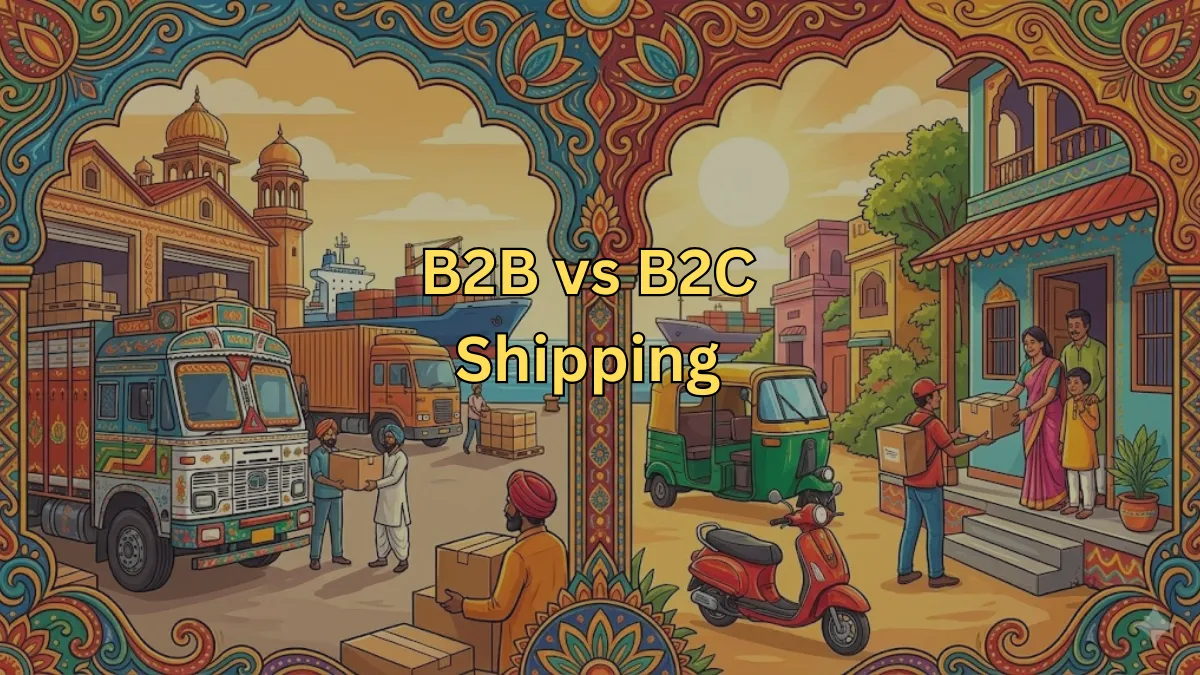
B2B shipping refers to the process of delivering products or raw materials from one business to another. This could be a manufacturer sending goods to a wholesaler, a supplier shipping components to a factory, or even a software company delivering hardware solutions to another company.

Key characteristics of B2B shipping include:
- Bulk Orders: Shipments are usually large and frequent, making logistics more predictable.
- Contractual Agreements: Many B2B shipments are tied to long-term contracts or recurring orders.
- Specialized Handling: Products may require packaging that ensures safety and compliance with industry standards.
- Extended Delivery Times: Businesses often plan shipments weeks or months in advance, prioritizing cost efficiency over speed.
Example: A company that manufactures printer cartridges might ship pallets of supplies directly to office supply stores or corporate clients.
What is B2C Shipping?
B2C shipping focuses on delivering products directly to individual consumers. E-commerce giants and small online retailers rely on B2C shipping to maintain customer satisfaction and repeat business.
Key characteristics of B2C shipping include:

- Smaller, Frequent Orders: Shipments are usually one-off or smaller in size, often just a single product per order.
- Fast Delivery Expectations: Customers expect quick delivery, sometimes within 1–2 days.
- High Packaging Standards: Products need to be securely packaged and often visually appealing.
- Returns Management: B2C shipping often includes handling returns and exchanges efficiently.
Example: An online clothing brand shipping a single dress directly to a customer’s home, with tracking and easy returns.
Key Differences Between B2B and B2C Shipping
Understanding the contrast can help you determine the right approach for your business:

| Feature | B2B Shipping | B2C Shipping |
|---|---|---|
| Order Size | Large, bulk shipments | Small, individual shipments |
| Delivery Speed | Flexible, often slower | Fast, sometimes same-day |
| Packaging | Functional, cost-efficient | Attractive, customer-friendly |
| Returns | Rarely needed | Common, must be simple |
| Customer Relationship | Long-term, contractual | Short-term, transactional |
| Shipping Frequency | Regular and scheduled | Random, based on consumer demand |
Factors to Consider When Choosing Between B2B and B2C Shipping
Choosing the right shipping model isn’t just about your business type—it’s also about strategy, customer expectations, and operational efficiency. Ask yourself the following:
1. Who Are Your Customers?
If your clients are businesses, B2B shipping is often more practical due to bulk orders and longer planning cycles. For direct consumers, B2C shipping with fast and reliable delivery is key.

2. How Fast Do Products Need to Arrive?
Businesses often plan inventory in advance, giving you flexibility. Consumers, however, expect speed—think next-day delivery promises from e-commerce platforms.
3. Cost Management
B2B shipping often benefits from economies of scale. Bulk shipments reduce per-unit shipping cost. B2C shipping may be costlier per unit due to smaller parcels, but can be offset with premium pricing strategies.
4. Packaging and Handling
B2B packaging focuses on efficiency and safety, while B2C emphasizes presentation and brand experience. A beautifully packaged product can improve customer satisfaction and loyalty.
5. Returns and Customer Service
B2C shipping requires robust systems to handle returns and exchanges, whereas B2B shipping rarely involves reverse logistics unless dealing with defective bulk shipments.
Practical Tips to Optimize Your Shipping Model
Whether you lean B2B, B2C, or a hybrid, these tips can boost efficiency and satisfaction:
For B2B Shipping:
- Negotiate contracts with reliable freight carriers for bulk discounts.
- Use predictive analytics to forecast inventory needs and shipping schedules.
- Invest in quality packaging to prevent damage during long-haul shipping.
For B2C Shipping:
- Offer multiple delivery options, including same-day or next-day where possible.
- Optimize your packaging to reduce shipping costs while maintaining appeal.
- Implement tracking and automated notifications to keep customers informed.
For Hybrid Businesses:
- Segment your operations: separate B2B logistics from B2C fulfillment.
- Use fulfillment centers strategically located near both business hubs and consumer markets.
- Leverage software platforms that manage both bulk and individual orders efficiently.
Emerging Trends in Shipping (2026 Update)
The shipping landscape is evolving rapidly. Here’s what businesses should watch:
- Sustainable Shipping: Both B2B and B2C clients are increasingly valuing eco-friendly packaging and carbon-neutral delivery options.
- AI & Automation: AI-driven route optimization is reducing delivery times and costs.
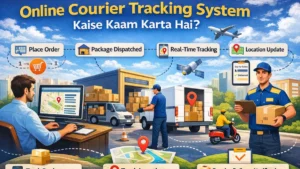
- Real-Time Tracking: Customers now expect precise, live updates on shipments.
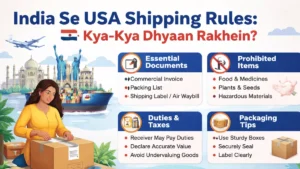
- Cross-Border E-Commerce: Global B2C shipping is booming, requiring compliance with customs and international regulations.
Adapting to these trends can give your business a competitive edge.
Summary
Choosing between B2B and B2C shipping depends on your customer type, order volume, delivery expectations, and budget. B2B shipping thrives on bulk, predictable shipments and long-term contracts, while B2C shipping focuses on speed, presentation, and customer experience.
Hybrid models benefit from segmenting logistics and leveraging technology. By understanding these differences and optimizing your operations, you can reduce costs, increase satisfaction, and grow your business sustainably.
FAQs
1. Can a business use both B2B and B2C shipping?
Yes, many companies adopt a hybrid model, separating bulk shipments from consumer orders.
2. Which shipping model is cheaper per unit?
B2B shipping usually costs less per unit due to bulk shipments and long-term contracts.
3. How important is packaging in B2C shipping?
Packaging is crucial for consumer satisfaction, brand image, and protecting items during transit.
4. Do B2B shipments need fast delivery?
Not always; B2B clients often plan in advance, so cost efficiency usually takes priority.
5. What trends should businesses follow in 2026 shipping?
Sustainability, AI-driven logistics, real-time tracking, and global compliance are key trends.