Sending packages may seem simple, but ensuring that your items reach their destination intact is both an art and a science. From fragile electronics to delicate glassware, every product requires thoughtful packaging to survive the bumps, drops, and jostles of modern delivery networks.
Whether you’re an online seller, a small business owner, or just shipping gifts to loved ones, mastering safe packaging techniques can save you money, time, and frustration. This guide covers everything you need to know to protect your items and ensure a damage-free delivery experience.
Why Safe Packaging Matters
Have you ever received a package only to find it broken or scratched? That disappointment isn’t just frustrating—it can also cost businesses thousands annually in replacements and refunds. Safe packaging:

- Prevents damage: Minimizes breakage, spills, or deformation.
- Boosts customer satisfaction: Recipients are more likely to trust and return to your business.
- Reduces costs: Protecting items reduces returns and lost shipments.
- Builds credibility: Consistent, careful packaging signals professionalism and care.
Investing in proper packaging materials and techniques isn’t just a precaution—it’s a smart business and personal practice.
Understanding Packaging Materials
Choosing the right packaging starts with understanding materials and their protective qualities.

1. Boxes and Cartons
- Corrugated cardboard: Sturdy, versatile, and available in single, double, or triple-wall thickness.
- Rigid boxes: Ideal for luxury or fragile items; offer high protection but higher cost.
- Size matters: Avoid oversized boxes; empty spaces increase movement and risk of damage.
2. Cushioning Materials
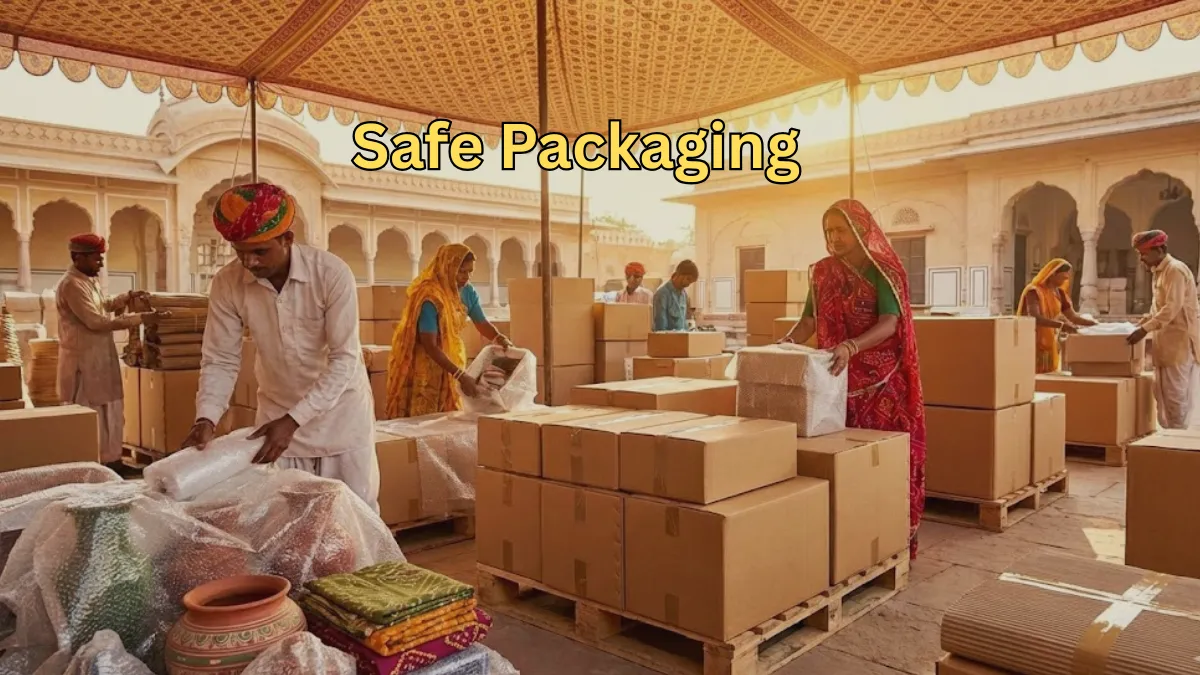
- Bubble wrap: Great for delicate electronics and glassware. Use multiple layers for added protection.
- Packing peanuts: Fill voids effectively but can be messy; biodegradable options are eco-friendly.
- Foam sheets and inserts: Perfect for high-value items that need custom-fit protection.
- Air pillows: Lightweight and efficient for filling gaps without crushing items.
3. Tapes and Seals
- Strong packing tape: Use high-quality polypropylene or PVC tapes for secure sealing.
- Fragile labels: Clearly mark packages with “Fragile” or “Handle With Care” to alert handlers.
- Tamper-proof seals: Adds security for high-value shipments.
Step-by-Step Guide to Damage-Free Packaging
Step 1: Choose the Right Box
Select a box slightly larger than the item. Too small, and it can’t accommodate cushioning; too large, and the item shifts during transit.
Step 2: Cushioning First
Place a layer of protective material at the bottom of the box. Items should not touch the box walls directly.

Step 3: Wrap the Item
Wrap each item individually with bubble wrap, foam sheets, or thick paper. Secure with tape to prevent slippage.
Step 4: Fill Gaps
Use packing peanuts, air pillows, or crumpled paper to fill all empty spaces. This prevents movement and absorbs shocks.

Step 5: Layering Strategy
For multiple items, separate them with cardboard dividers or bubble wrap layers. Fragile items should never touch each other directly.
Step 6: Seal the Box
Close the box securely with reinforced packing tape. Apply tape along all seams and edges for extra strength.

Step 7: Label Clearly
Write addresses legibly and attach fragile or orientation labels if needed. This simple step can make a huge difference during handling.
Special Considerations for Fragile Items
Fragile items require extra care. Here are targeted tips:
- Glass and ceramics: Wrap in bubble wrap, place in a double box, and cushion with soft materials.
- Electronics: Remove batteries if possible, wrap with anti-static bubble wrap, and secure loose parts.
- Liquids: Seal containers tightly, place in leak-proof bags, and surround with absorbent material.
- Clothing or textiles: Fold neatly, use waterproof packaging, and avoid overpacking to prevent wrinkles.
Eco-Friendly Packaging Without Compromising Safety
Sustainable packaging is trending and can coexist with safe shipping practices. Options include:
- Recycled cardboard boxes: Strong and recyclable.
- Biodegradable packing peanuts: Dissolve in water and are compostable.
- Paper-based cushioning: Crumpled paper or molded pulp provides protection without plastic waste.
- Reusable shipping materials: Encourage recipients to return boxes for reuse.
Balancing eco-friendliness and protection ensures you meet modern expectations while keeping items safe.
Common Packaging Mistakes to Avoid
Even seasoned shippers can make mistakes that compromise delivery safety:
- Using an oversized box without proper cushioning.
- Underestimating fragility and skipping extra protection.
- Failing to seal boxes properly, leaving items exposed.
- Ignoring temperature sensitivity for perishable goods.
- Overpacking boxes, which can burst during transport.
Avoiding these errors dramatically increases your delivery success rate.
Pro Tips for Extra Protection
- Double-boxing: Perfect for fragile or valuable items; adds an extra layer of shock absorption.
- Corner protection: Cardboard or foam corner guards prevent edge damage.
- Shock and tilt indicators: Small devices show if a package was mishandled.
- Weatherproofing: Plastic wrap or waterproof liners protect against moisture.
Conclusion
Safe packaging is more than just wrapping items—it’s about strategy, materials, and attention to detail. By understanding materials, layering correctly, and considering item fragility, anyone can achieve damage-free delivery. Whether shipping locally or internationally, these practices ensure your packages arrive intact, building trust and confidence with recipients.
Key Takeaways
- Always choose the right box size and cushioning materials.
- Wrap items individually and fill all empty spaces.
- Double-box fragile or high-value items.
- Seal securely and label clearly.
- Consider eco-friendly options without compromising protection.
Following these steps will make your packages delivery-ready, secure, and professional.
FAQs
1. What’s the best box type for fragile items?
Corrugated cardboard or rigid double-wall boxes offer maximum protection for delicate items.
2. How much cushioning material should I use?
Ensure items are fully surrounded with 2–3 inches of protective material to absorb shocks.
3. Can I reuse old boxes for shipping?
Yes, if they’re sturdy, undamaged, and properly reinforced for secure delivery.
4. How do I prevent liquids from leaking during shipment?
Seal containers tightly, use leak-proof bags, and cushion with absorbent materials.
5. Are eco-friendly packaging materials safe for fragile goods?
Yes, biodegradable peanuts, molded pulp, and paper-based cushions can protect items effectively.