In 2026, India’s logistics sector is not just moving goods; it’s moving at the speed of technology. With e-commerce booming, global trade expanding, and consumer expectations shifting toward faster deliveries, logistics companies are racing to adapt. Technology is no longer an optional tool—it’s the backbone of efficiency, transparency, and scalability in the Indian supply chain. But what does this transformation really look like, and how is it shaping the future of logistics in India? Let’s explore.
The Digital Backbone: AI and Automation in Logistics
Artificial intelligence (AI) has become the brain behind India’s logistics revolution. From predicting demand patterns to optimizing delivery routes, AI algorithms are helping companies reduce delays and cut operational costs.
- Predictive Analytics: Companies now use AI to forecast which products will be in demand, reducing inventory surplus and shortages.
- Automated Warehouses: Robotics handle sorting, packaging, and inventory management, enabling 24/7 operations with minimal human intervention.
- Intelligent Routing: AI-driven systems calculate optimal delivery routes in real-time, avoiding traffic congestion and reducing fuel consumption.
These innovations are particularly impactful in urban centers like Mumbai and Bengaluru, where traffic congestion previously slowed deliveries to a crawl.

Real-Time Visibility: IoT and Connected Logistics
The Internet of Things (IoT) has given logistics companies a new level of visibility. Sensors and connected devices track shipments, monitor vehicle health, and ensure goods are transported under optimal conditions.
- Temperature-Sensitive Deliveries: Perishable goods, such as pharmaceuticals or fresh produce, can now be monitored in real-time to prevent spoilage.
- Fleet Monitoring: IoT devices track vehicle performance, maintenance needs, and fuel efficiency, helping companies cut costs and improve reliability.
- Shipment Transparency: Customers now receive live updates on their packages, building trust and reducing anxiety over delayed deliveries.
This level of transparency is a game-changer for both B2B and B2C logistics, especially in sectors where reliability is non-negotiable.

Blockchain: Securing the Supply Chain
Blockchain is increasingly being adopted to enhance trust and security across supply chains. In a market as vast and complex as India, blockchain ensures that every transaction and shipment is transparent and tamper-proof.
- Fraud Reduction: Immutable records reduce the risk of invoice manipulation and counterfeit products.
- Smart Contracts: Automated agreements trigger payments only when predefined conditions are met, streamlining transactions between vendors and logistics providers.
- Traceability: Every product’s journey—from manufacturer to end consumer—is documented, enhancing accountability and compliance with regulations.
Blockchain technology is especially beneficial for high-value goods and pharmaceuticals, where authenticity and traceability are critical.

Drones and Autonomous Vehicles: Speeding Up Last-Mile Delivery
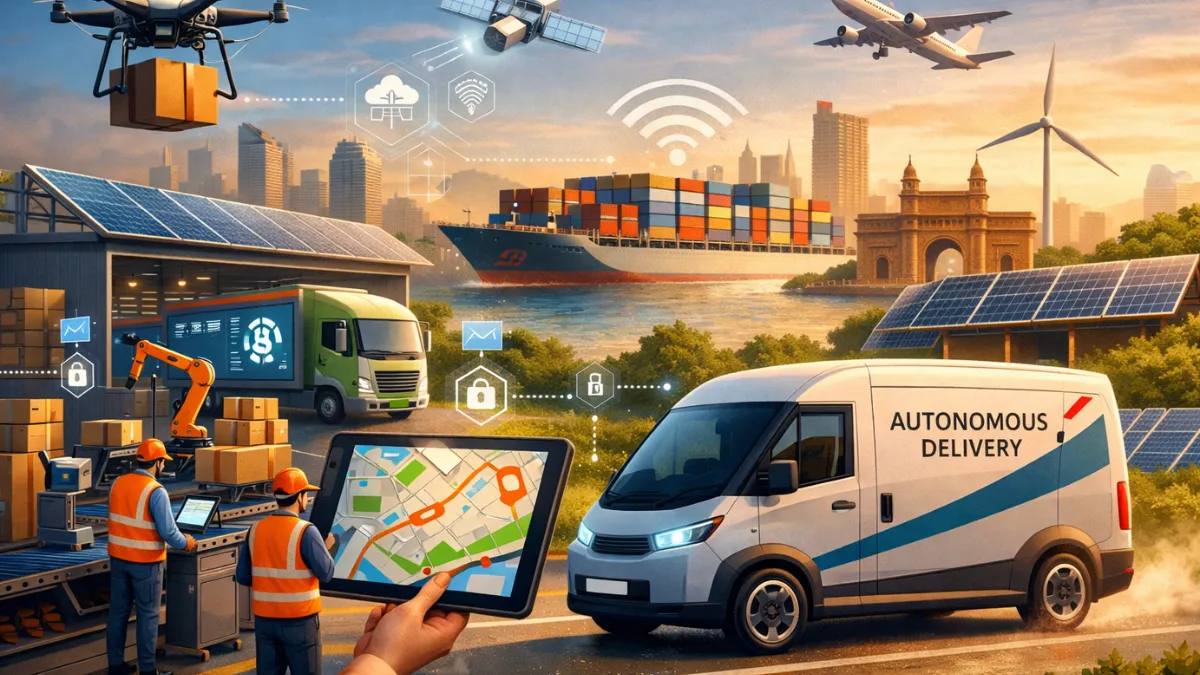
Last-mile delivery—the final leg from warehouse to customer—is often the most time-consuming and expensive. In 2026, India is seeing a rise in drones and autonomous vehicles tackling this challenge.
- Drones for Remote Areas: Delivering medical supplies or essential items to rural regions where road access is limited.
- Self-Driving Vehicles: Pilot programs in smart cities like Hyderabad and Pune are testing autonomous delivery vans for urban efficiency.
- Reduced Delivery Times: These technologies help companies meet same-day delivery promises, improving customer satisfaction.
While regulations and infrastructure are still evolving, the pace of adoption indicates that autonomous logistics is no longer a distant dream—it’s happening now.

Green Logistics: Sustainable Technology in Action
Environmental concerns are driving logistics companies to adopt sustainable technologies. In 2026, green logistics is not just ethical—it’s economically smart.
- Electric Fleets: Companies are investing in electric trucks and vans to reduce carbon emissions and fuel costs.
- Route Optimization: AI-powered routing reduces unnecessary mileage, lowering both fuel consumption and traffic congestion.
- Eco-Friendly Warehousing: Smart lighting, solar panels, and energy-efficient systems are becoming standard in modern warehouses.
Sustainability also strengthens brand image, an important factor as consumers increasingly prefer eco-conscious companies.

Data-Driven Decision Making: The Role of Big Data
Big data is the invisible engine behind efficient logistics. By analyzing millions of data points—from customer behavior to vehicle performance—companies can make smarter, faster decisions.
- Demand Forecasting: Retailers can stock the right products in the right regions, reducing waste.
- Operational Efficiency: Data insights reveal bottlenecks in warehousing, packing, or delivery processes.
- Risk Management: Predictive models help anticipate disruptions like weather events or port congestion, allowing preemptive action.
In 2026, companies that leverage data effectively gain a competitive edge, translating into faster delivery times, lower costs, and happier customers.
Practical Tips for Businesses Leveraging Technology
For companies looking to keep pace with the evolving logistics landscape in India, these actionable steps are essential:
- Invest in AI and automation for warehouses and delivery planning.
- Adopt IoT sensors to improve shipment tracking and fleet management.
- Explore blockchain solutions to enhance supply chain transparency and security.
- Pilot autonomous vehicles or drones for last-mile delivery where feasible.
- Integrate sustainability measures such as electric vehicles and energy-efficient warehouses.
Small and medium enterprises can start with scalable solutions like fleet tracking apps and AI-powered route optimization before moving to more advanced technologies.
The Road Ahead: Challenges and Opportunities
While technology is driving dramatic improvements, challenges remain:
- Infrastructure Gaps: Rural roads and regional connectivity still limit delivery speed in some areas.
- Regulatory Hurdles: Drone usage and autonomous vehicles require clear government policies.
- Skill Shortages: Workers need training to operate and maintain advanced logistics technologies.
Yet, the opportunities outweigh the hurdles. With continued investment in technology and talent, Indian logistics can become a model for efficiency, transparency, and sustainability on the global stage.
Summary
In 2026, technology is reshaping Indian logistics at every level—from AI-driven operations and IoT monitoring to blockchain security and autonomous deliveries. Companies that embrace innovation are reducing costs, increasing efficiency, and meeting growing consumer expectations. By combining data-driven decision-making with sustainability initiatives, India’s logistics sector is not only catching up with global standards—it’s setting new benchmarks. The future of logistics is fast, transparent, and green, and technology is leading the way.
FAQs
1. How is AI improving logistics in India?
AI optimizes routes, predicts demand, automates warehouses, and reduces delivery delays.
2. What role does IoT play in supply chains?
IoT tracks shipments, monitors vehicle health, and ensures real-time delivery transparency.
3. How is blockchain used in logistics?
Blockchain secures transactions, prevents fraud, and tracks products from origin to consumer.
4. Are drones and autonomous vehicles widely used?
They are increasingly used for last-mile deliveries, especially in remote and urban areas.
5. What are green logistics initiatives in India?
Companies adopt electric fleets, optimize routes, and use eco-friendly warehouse solutions.