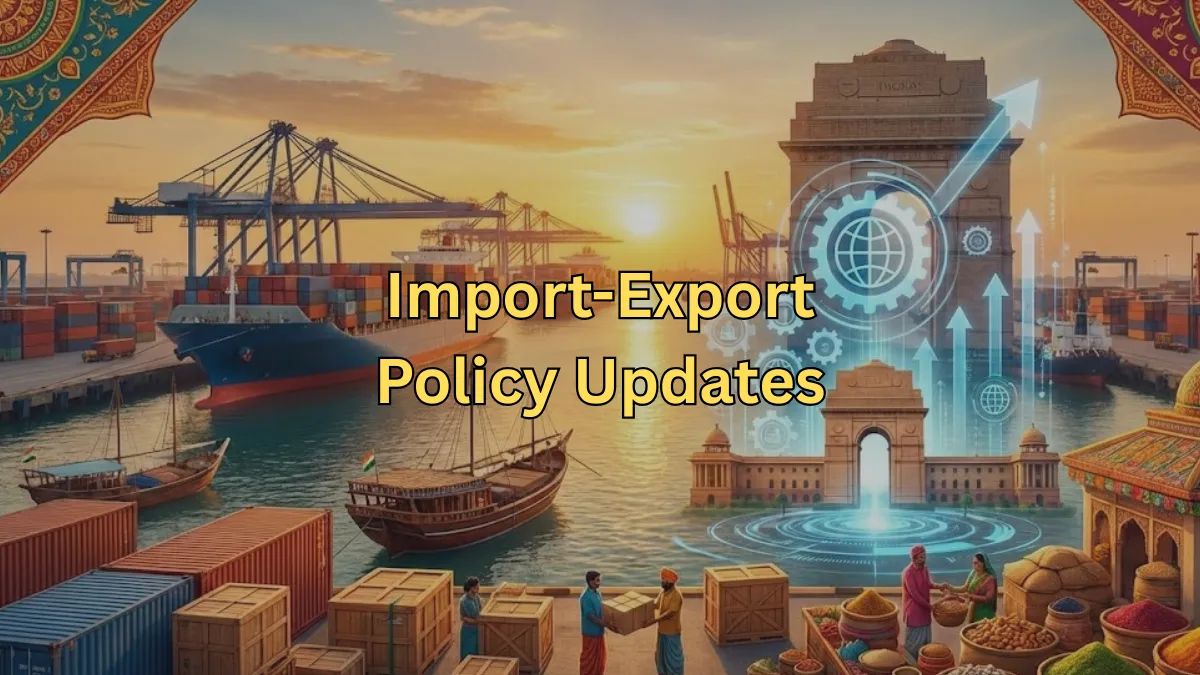
In today’s fast-paced global economy, staying updated with India’s import-export regulations isn’t just useful—it’s essential. Whether you’re a business owner, trader, or aspiring entrepreneur, understanding the latest policy updates can save time, reduce costs, and open doors to new markets.
In 2026, India has introduced several significant changes to its import-export framework, aimed at streamlining trade, promoting local manufacturing, and boosting international competitiveness. Let’s explore these updates in detail and see how they affect businesses and individuals alike.
Why 2026 Policies Are a Game-Changer
India has always been a major player in global trade, but the latest policy shifts reflect a more strategic and modern approach. Here’s why these updates matter:
- Simplified Processes: The government has introduced digital tools to make import-export documentation faster and more transparent.
- Encouraging Local Manufacturing: Policies now favor products made in India, supporting the “Make in India” initiative.
- Global Competitiveness: By reducing certain tariffs and procedural hurdles, India is becoming a more attractive trade partner worldwide.
These changes are not just bureaucratic tweaks—they are designed to directly impact how businesses operate, how products move across borders, and how India positions itself in global supply chains.
Key 2026 Import-Export Policy Updates
India’s Ministry of Commerce and Industry has released several updates for 2026, which can be grouped into regulatory changes, digital advancements, and trade incentives.
1. Regulatory Updates
- Harmonized System (HS) Code Revisions: India has updated HS codes for various commodities, affecting tariffs and customs procedures. Traders must check these codes carefully to avoid penalties.
- Mandatory Quality Certifications: Certain imports, especially electronics and machinery, now require updated Bureau of Indian Standards (BIS) certifications.
- Revised Tariff Structures: To protect domestic industries, tariffs on select goods have been adjusted, while essential imports like raw materials may see reduced duties.
2. Digital and Procedural Enhancements
- Single Window Clearance System: Importers and exporters can now process approvals, licenses, and certifications through a single online portal. This reduces paperwork and accelerates processing times.
- E-Invoicing and Real-Time Tracking: Customs authorities have integrated e-invoicing, allowing real-time tracking of shipments. Businesses can now predict clearance times more accurately.
- AI-Powered Risk Assessment: Customs is using AI algorithms to detect high-risk shipments, improving efficiency and reducing arbitrary checks.
3. Trade Incentives and Export Promotion
- Export Incentives: Exporters of certain products, including pharmaceuticals, textiles, and agricultural goods, are eligible for financial incentives and tax rebates.
- Special Economic Zones (SEZs): The government is expanding SEZs with easier compliance requirements to attract foreign investment and facilitate faster trade.
- Sustainable Trade Push: Green initiatives, such as reduced duties on eco-friendly products and renewable energy components, encourage sustainable exports.
How These Updates Affect Businesses
Understanding the practical impact of these updates can help businesses navigate the changes successfully:
- Cost Management: Reduced tariffs on certain imports can lower manufacturing costs, while incentives for exports can increase profitability.
- Compliance Advantage: Digital tools and updated procedures mean businesses that adopt technology early can gain a competitive edge.
- Market Opportunities: Incentives for sustainable and high-tech products open doors for startups and innovators to enter international markets.
Example Scenario
Consider an Indian textile exporter targeting the US market. With 2026 updates:

- They can apply for export incentives online, receiving faster approvals.
- Updated HS codes ensure the correct tariff is applied, avoiding delays.
- Sustainable textile production may qualify for reduced duties or preferential trade benefits, boosting competitiveness.
Tips to Navigate the New Policies
Here are actionable strategies to stay ahead:
- Regularly Check Government Notifications: The Directorate General of Foreign Trade (DGFT) releases updates that may affect compliance.
- Leverage Technology: Use digital platforms for e-invoicing, license applications, and shipment tracking.
- Invest in Quality Certifications: BIS and ISO certifications are becoming increasingly mandatory and can boost international credibility.
- Monitor Tariff Changes: Keep an eye on tariff revisions to optimize sourcing and export pricing.
- Focus on Sustainability: Align products with green trade initiatives to access incentives and global markets.
Global Context and Opportunities
India’s 2026 policy updates are also designed to align with global trade trends. With increasing emphasis on technology, sustainability, and supply chain efficiency, Indian exporters are better positioned to compete internationally. Countries like the US, EU members, and Southeast Asian markets are showing growing interest in Indian products, especially those adhering to green and digital compliance standards.
Summary
The 2026 India import-export policy updates reflect a significant shift towards digitalization, efficiency, and global competitiveness. Businesses that embrace these changes can benefit from streamlined processes, cost savings, and new market opportunities.
From revised HS codes and tariffs to digital single-window clearances and export incentives, understanding these updates is essential for anyone involved in trade. By staying informed, leveraging technology, and focusing on compliance and sustainability, Indian exporters can position themselves for long-term success in an increasingly competitive global market.

FAQs
Q1: What is the key focus of India’s 2026 import-export policy?
It emphasizes digitalization, compliance efficiency, and incentives for local and sustainable products.
Q2: Are there changes in tariffs for 2026?
Yes, some goods have revised duties to protect domestic industries, while essential imports may have reduced tariffs.
Q3: How can exporters benefit from the new policy?
Exporters can access incentives, tax rebates, and simplified procedures through the single-window online system.
Q4: Do businesses need new certifications to import goods?
Yes, products like electronics and machinery may require updated BIS or ISO certifications for import.
Q5: How does technology impact the 2026 trade process?
E-invoicing, real-time tracking, and AI-powered customs checks make trade faster, transparent, and efficient.