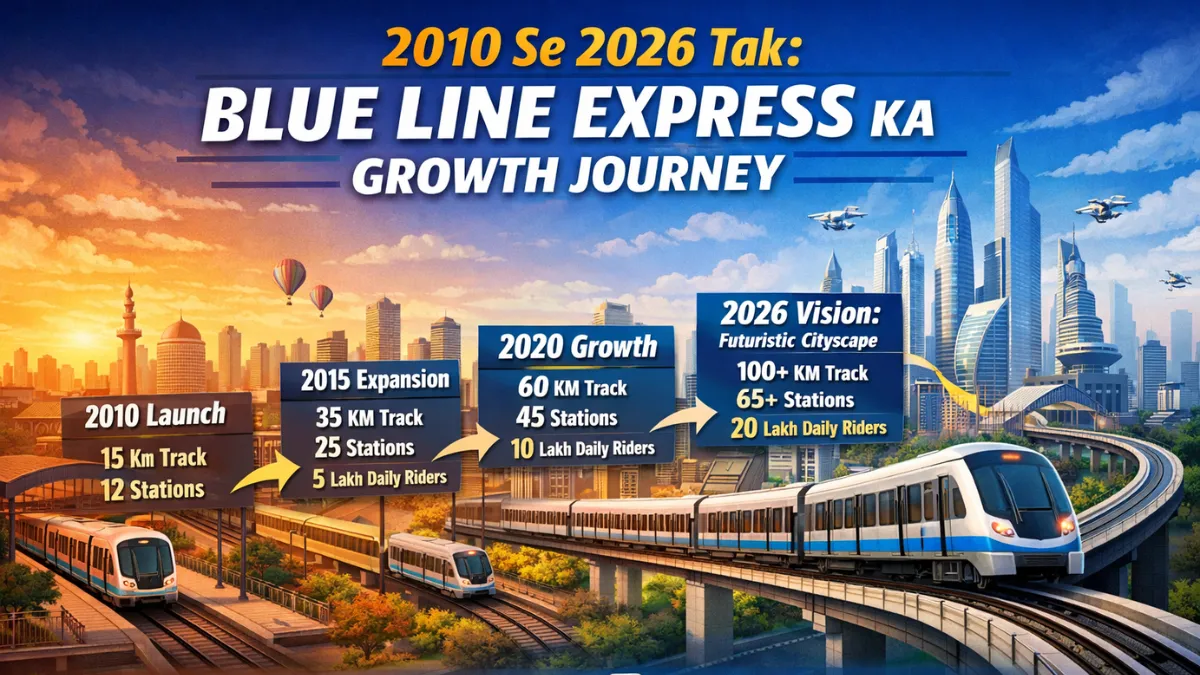
In 2026, India’s logistics industry is no longer just about moving parcels from one city to another. It is about speed, transparency, digital trust, and last-mile precision. For Indian businesses—especially MSMEs, e-commerce sellers, and exporters—choosing the right logistics partner can directly impact profit margins and customer loyalty. That is why understanding the growth journey of Blue Line Express from 2010 to 2026 matters today.
This article breaks down how Blue Line Express evolved over 16 years, what strategies fueled its expansion, and what Indian business owners can learn from its operational model. You will gain practical insights into logistics scaling, technology adoption, fleet management, compliance, and customer trust building—insights that can help you optimize your own supply chain decisions in 2026.
The Indian Logistics Landscape in 2010
In 2010, India’s logistics sector was highly fragmented. Most transport companies operated regionally, paperwork was manual, and shipment tracking was limited to phone calls and SMS updates. E-commerce was still in its early growth phase, and logistics companies primarily catered to manufacturing units, wholesalers, and distributors.
High fuel costs, inconsistent state-level taxation before GST, and weak infrastructure made long-distance cargo movement unpredictable. Delivery timelines were often flexible rather than guaranteed. Companies that wanted to grow needed to solve three major problems: reliability, cost control, and route efficiency.
Blue Line Express entered this environment with a clear focus on structured operations and disciplined expansion.
Early Years: Foundation and Operational Discipline (2010–2013)
Between 2010 and 2013, Blue Line Express focused on building a strong operational backbone rather than rapid expansion. The company invested in fleet standardization, route mapping, and centralized dispatch coordination.
Instead of depending entirely on third-party trucks, it gradually built a semi-owned fleet model. This hybrid system reduced dependency risks while keeping capital expenditure manageable. Driver training programs emphasized safety, fuel efficiency, and time discipline, which lowered operational costs over time.
During this phase, customer relationships were built through consistent performance rather than aggressive marketing. Many regional manufacturers preferred working with logistics partners who delivered on commitments rather than offering the lowest price. That reliability created a loyal client base.
Expansion Phase: Regional to Multi-State Operations (2014–2017)
The period between 2014 and 2017 marked a turning point. As e-commerce platforms expanded across India, demand for structured cargo movement increased sharply. Businesses required dependable logistics partners capable of managing bulk loads as well as smaller consignments.

Blue Line Express expanded its operational footprint across multiple states, strengthening its network corridors connecting industrial hubs. The company invested in warehouse tie-ups and developed intercity cargo routes with fixed departure schedules. This shift from on-demand dispatch to scheduled line-haul services improved predictability and fleet utilization.
The introduction of GST in 2017 transformed interstate logistics. With the removal of state check-post delays, transit times improved significantly. Companies that were operationally prepared benefited the most. Blue Line Express optimized its route planning and consolidated shipments more effectively under the new tax regime.

Digital Transformation and Process Automation (2018–2020)
By 2018, digital transformation became a necessity rather than an option in logistics. Customers expected real-time tracking, electronic proof of delivery, and transparent billing.
Blue Line Express adopted transport management software to digitize dispatch, invoicing, and shipment tracking. GPS tracking was integrated into the fleet, enabling customers to monitor cargo movement in real time. Automated documentation reduced manual errors and improved billing accuracy.
The COVID-19 pandemic in 2020 tested the resilience of logistics companies. Movement restrictions, driver shortages, and sudden demand spikes created operational chaos across India. Companies with digital visibility and centralized control systems adapted faster.
Blue Line Express strengthened internal coordination, implemented safety protocols for drivers, and ensured essential goods continued moving. This period reinforced the importance of risk management and supply chain resilience.
Post-Pandemic Recovery and Scale (2021–2023)
The post-pandemic phase saw explosive growth in e-commerce, pharmaceuticals, and FMCG distribution. Businesses needed faster turnaround times and dependable last-mile delivery.
Between 2021 and 2023, Blue Line Express scaled its network density rather than only expanding geography. More frequent dispatch schedules were introduced on high-demand routes. Fleet modernization improved fuel efficiency and reduced maintenance downtime.
The company also emphasized customer segmentation. Instead of offering uniform services, it structured customized logistics solutions for bulk industrial clients, small retailers, and online sellers. This specialization increased operational clarity and customer satisfaction.
Technology integration expanded further with data-driven route optimization and predictive maintenance tracking. These changes reduced breakdown risks and improved on-time performance metrics.
Sustainability and Smart Logistics (2024–2026)
By 2024, sustainability became a core industry theme. Rising fuel costs and environmental regulations encouraged logistics companies to rethink their fleet strategies.
Blue Line Express gradually introduced fuel-efficient vehicles and optimized load planning to reduce empty return trips. Route consolidation minimized carbon output per shipment. Operational dashboards provided management-level visibility into fuel consumption patterns.
In 2025 and 2026, customer expectations moved beyond delivery speed. Businesses now demand transparency, sustainability reporting, and digital accountability. The company strengthened its compliance framework, ensuring documentation accuracy and regulatory alignment.
Smart logistics tools such as AI-based route prediction and demand forecasting enhanced delivery accuracy. Instead of reacting to shipment requests, the company began planning capacity based on historical demand trends.
Key Growth Drivers Behind Blue Line Express
Several factors contributed to its growth from 2010 to 2026.
Operational discipline built the foundation. Technology adoption improved efficiency. Customer-centric service models increased retention. Strategic scaling avoided overexpansion risks. Compliance readiness helped during regulatory transitions like GST.
Most importantly, the company aligned its strategy with industry shifts rather than resisting them. When digitalization accelerated, it invested early. When sustainability became critical, it adapted fleet policies.
Lessons for Indian Businesses in 2026
The growth journey of Blue Line Express offers valuable lessons for Indian entrepreneurs and logistics decision-makers.
First, operational systems matter more than rapid expansion. Strong backend processes reduce long-term risk.
Second, technology is not an expense but a growth enabler. Real-time tracking and automated billing build trust and reduce disputes.
Third, compliance readiness is a competitive advantage. Regulatory shifts can disrupt unprepared businesses.
Fourth, diversification of customer segments reduces dependency risk. Serving multiple industries stabilizes revenue during economic fluctuations.
Finally, sustainability planning is no longer optional. Businesses that reduce fuel waste and improve route efficiency will remain cost-competitive.
Real-World Impact on Indian MSMEs
Small and medium enterprises often struggle with inconsistent logistics services. Delayed deliveries lead to payment delays and damaged customer relationships.
A structured logistics partner improves cash flow predictability. On-time delivery reduces inventory holding costs. Transparent tracking reduces customer complaints.
In 2026, Indian MSMEs competing on national marketplaces cannot afford unreliable shipping. Choosing a logistics partner with structured systems, digital tracking, and compliance transparency directly impacts growth potential.
The Road Ahead: 2026 and Beyond
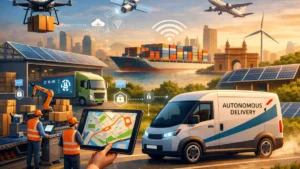
The Indian logistics sector is expected to become more data-driven and automation-focused. AI-powered route optimization, warehouse automation, and electric fleet transitions will shape the next decade.
Blue Line Express is positioned within this evolving ecosystem by focusing on operational consistency and gradual modernization rather than risky expansion.
The next growth phase will likely revolve around integrated supply chain solutions, where logistics providers offer warehousing, distribution planning, and demand forecasting support under one structured system.
Conclusion: Key Takeaways and Practical Next Steps
From 2010 to 2026, Blue Line Express transformed from a disciplined regional transporter into a multi-state logistics player aligned with digital and sustainability trends. Its growth was not driven by hype but by structured expansion, technology adoption, compliance readiness, and customer trust.
For Indian businesses, the key takeaway is clear. Choose logistics partners based on operational reliability, digital transparency, and regulatory compliance rather than just price. If you run a business, evaluate your current supply chain efficiency, demand tracking systems, and delivery consistency.
Strengthen contracts with clear service-level agreements. Monitor on-time delivery metrics. Adopt digital documentation. Plan inventory with realistic transit timelines.
Logistics is no longer a backend support function. In 2026, it is a competitive advantage. Companies that understand this shift and align with structured logistics partners will scale faster and build long-term customer trust.
FAQs
What made Blue Line Express grow steadily from 2010 to 2026?
Consistent operations, early tech adoption, GST readiness, and customer-focused services helped it expand without unstable overgrowth.
How did GST impact logistics companies like Blue Line Express?
GST removed interstate barriers, reduced delays, and allowed route optimization, improving delivery speed and cost efficiency.
Why is digital tracking important in 2026 logistics?
Real-time tracking improves transparency, reduces disputes, enhances customer trust, and supports faster issue resolution.
How can MSMEs choose the right logistics partner in India?
Check fleet reliability, digital systems, compliance transparency, delivery metrics, and customer support responsiveness.