Have you ever worried about weakening bones as you age? Osteoporosis and low bone density affect millions worldwide, leading to fragile bones and a higher risk of fractures. While calcium-rich diets and medications are common solutions, yoga is an often-overlooked natural approach that strengthens bones and enhances overall health.
Unlike high-impact exercises, yoga offers a gentle yet effective way to stimulate bone growth, improve balance, and support posture. In this article, we’ll explore 11 yoga poses specifically designed to improve bone density, complete with tips and modifications for every fitness level.
Why Yoga Helps Bone Health
Yoga strengthens bones primarily through weight-bearing and resistance postures. When your body supports its weight in poses like Warrior II or Tree Pose, it signals your bones to maintain and even increase density. Beyond bone health, yoga enhances flexibility, balance, and core strength—all vital for preventing falls, a major cause of fractures in older adults. The beauty of yoga is its adaptability; whether you are a beginner or advanced practitioner, these poses can be adjusted to suit your needs while delivering tangible benefits for skeletal health.

1. Mountain Pose (Tadasana)
The Mountain Pose is deceptively simple but highly effective. Standing tall with feet hip-width apart, shoulders relaxed, and arms reaching upward, this pose improves posture and engages leg bones. Consistently practicing Tadasana strengthens the thighs, knees, and ankles. Tip: Visualize your body as a firm mountain, grounding your feet into the floor to enhance bone stimulation.
2. Tree Pose (Vrikshasana)
Balancing on one leg, Tree Pose improves hip, knee, and ankle strength. Lift one foot to rest on the inner thigh or calf, hands together overhead. Maintaining balance engages bones and muscles in the lower body. Beginners can use a wall for support. Practice both sides equally to ensure symmetrical bone health.

3. Warrior II (Virabhadrasana II)
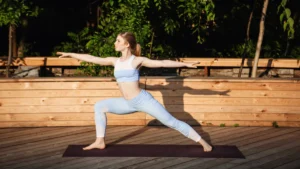
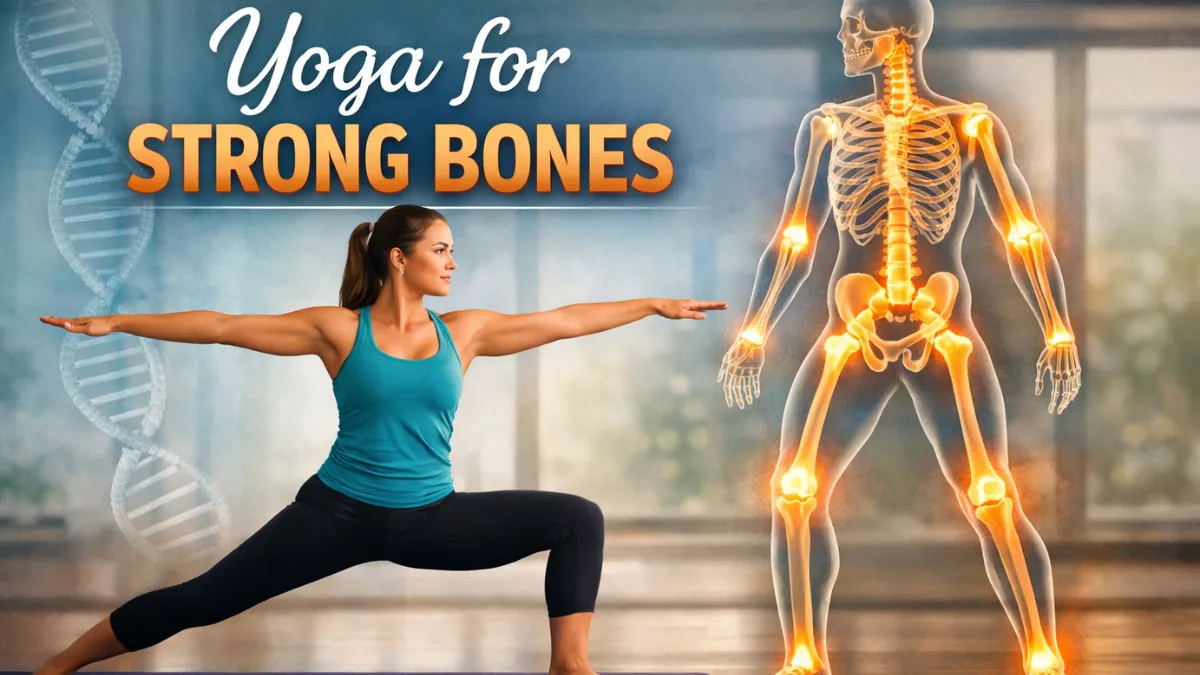
Warrior II strengthens the legs, hips, and spine. Step one foot forward, bend the knee, stretch arms parallel to the floor, and gaze over your front hand. This pose provides weight-bearing stress that encourages bone density, particularly in the thighs and hips—common areas affected by osteoporosis.
4. Downward-Facing Dog (Adho Mukha Svanasana)
An inverted pose like Downward Dog distributes weight across your arms and spine. Pressing through your hands strengthens wrist and arm bones, while the gentle stretch benefits spinal alignment. Ensure your heels move toward the floor to maximize leg engagement and bone activation.

5. Triangle Pose (Trikonasana)
Triangle Pose combines stretching and strengthening. With legs apart, one arm reaches down to the shin or floor while the other extends upward. This posture strengthens hip bones, legs, and core, enhancing overall skeletal resilience. Keep the spine long and avoid collapsing into the front leg for safety.
6. Bridge Pose (Setu Bandhasana)
Bridge Pose works the spine, hips, and chest while providing weight-bearing pressure to the back. Lie on your back, bend your knees, and lift hips toward the ceiling. Engaging glutes and thighs helps build strength in the pelvic bones, which is essential for postmenopausal bone health.

7. Chair Pose (Utkatasana)
Chair Pose resembles sitting in an invisible chair. Bend your knees, keep your back straight, and raise arms overhead. This pose strengthens the femur, hips, and spine while improving core stability. Hold for 20–30 seconds to stimulate bone growth effectively.
8. Plank Pose
Plank Pose is excellent for building upper body and core strength. Supporting your weight on hands and toes stimulates wrist, arm, and spine bones. Keep your body in a straight line and engage the core. Variations like forearm plank can reduce wrist strain while maintaining benefits.

9. Warrior I (Virabhadrasana I)
Warrior I targets the spine, hips, and thighs. With one leg forward and knee bent, stretch arms overhead. This pose combines balance and strength, encouraging weight-bearing activity that promotes bone density in the legs and pelvis.
10. Eagle Pose (Garudasana)
Eagle Pose challenges balance while strengthening the hips, thighs, and calves. Wrap one leg over the other and cross arms at the elbows. Holding this pose enhances lower body strength and stimulates bones in the ankles and knees, crucial for preventing fractures.
11. Side Plank (Vasisthasana)
Side Plank strengthens the wrists, arms, and hip bones while improving lateral core stability. From a plank, shift weight to one arm and foot, raising the other arm overhead. Hold for 15–20 seconds per side. Regular practice helps build bone density along the outer edges of the body, supporting balance and stability.
Tips for Maximizing Bone Health with Yoga
- Consistency is key: Practice at least 3–4 times a week.
- Combine with nutrition: Include calcium and vitamin D in your diet.
- Use props if needed: Blocks, straps, or walls can make poses safer.
- Focus on posture: Proper alignment ensures bones receive the correct load.
- Gradual progression: Start slow and increase duration or difficulty over time.
Last Thought
Incorporating these 11 yoga poses into your routine can significantly enhance bone density, improve balance, and reduce fracture risk. Remember, the best results come from consistent practice, mindful alignment, and supporting your yoga routine with a nutrient-rich diet. Stronger bones mean greater independence, better posture, and a more confident, active life.