Anger rarely appears quietly. It often arrives suddenly, creating a wave of physical sensations in the body. Your chest may feel hot, the jaw tightens, breathing becomes shallow, and your heart begins to beat faster. In those moments, it becomes easy to react impulsively and later regret what was said or done.
From a physiological perspective, anger activates the body’s stress response. The sympathetic nervous system increases heart rate, raises blood pressure, and elevates body temperature. In traditional yoga philosophy and Ayurveda, anger is often associated with an imbalance in pitta, the energy related to heat, intensity, and transformation. When pitta becomes excessive, emotions like frustration, irritability, and criticism can appear more easily.
Both modern science and ancient yogic wisdom suggest the same solution: pause, breathe, and create space between the emotion and the reaction. Yoga offers a structured way to do this by combining movement, breath awareness, and stillness.
How Yoga Helps Calm Anger
Slow breathing, gentle forward bends, and mindful stillness activate the parasympathetic nervous system, often called the “rest and digest” response. This system counteracts the body’s stress reaction and helps reduce heart rate, relax muscles, and restore emotional balance.
Lengthening the exhalation also stimulates the vagus nerve, which signals the body to relax and return to a calmer state. Yoga does not suppress anger but allows the emotion to move through the body without becoming overwhelming. Over time, this practice helps you respond with awareness rather than impulsive reactions.

Anger is not your identity—it is simply information about how you feel in a moment. Yoga creates space between the feeling and your response, allowing clarity and calmness to return.
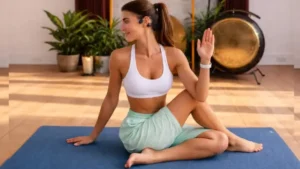
1. Half Spinal Twist (Ardha Matsyendrasana)
Twisting poses help release tension from the chest, spine, and shoulders where emotional stress often accumulates. Gentle twists improve breathing and encourage a sense of emotional release.

How to practice
Sit with your legs extended.
Bend your left knee and place the left foot outside your right thigh.
Inhale and lengthen your spine.
Exhale and twist toward your left knee, placing your right elbow outside it.
Rest your left hand behind you for support.
Hold for several slow breaths, then repeat on the other side.
Focus
As you exhale, imagine releasing tension from your rib cage and upper back.

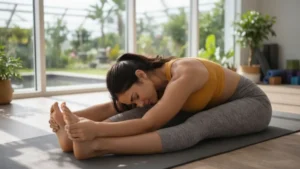
2. Wide-Legged Standing Forward Bend (Prasarita Padottanasana)
Forward bends calm the nervous system, especially when the head moves below the heart. This position encourages grounding and emotional release during intense moments.
How to practice
Stand with your feet about three to four feet apart.
Inhale and lengthen the spine.
Exhale and fold forward from the hips.
Place your hands on the floor, blocks, or ankles.
Allow your head to hang comfortably.

Focus
Imagine anger flowing down through your body and into the ground beneath you.
3. Bound Angle Pose (Baddha Konasana)
Yoga philosophy suggests that emotions are often stored in the hips. This gentle pose opens the inner thighs and encourages emotional release while calming the mind.
How to practice
Sit with your legs extended.
Bring the soles of your feet together and allow the knees to fall outward.
Hold your feet or ankles.
Sit upright or gently lean forward.
Focus
Relax the inner thighs and allow gravity to deepen the stretch naturally.
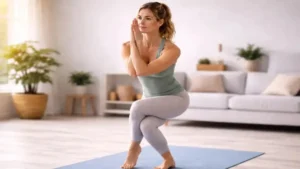
4. Lotus Pose (Padmasana)
This stable seated posture encourages stillness and emotional awareness. It creates a sense of balance that helps you observe anger without reacting immediately.
How to practice
Sit with legs extended.
Place one foot on the opposite thigh.
Bring the other foot onto the opposite thigh if comfortable.
Rest your hands on your knees.
If Lotus feels difficult, sit cross-legged instead.
Focus
Observe your breathing and allow stillness in the body to calm your thoughts.
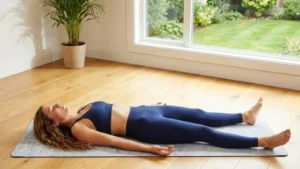
5. Corpse Pose (Savasana)
Savasana is the final relaxation pose that allows the body and mind to completely release tension. It helps cool the emotional intensity that often follows anger.
How to practice
Lie flat on your back.
Let your legs fall slightly apart.
Place your arms beside your body with palms facing upward.
Close your eyes and breathe naturally.
Focus
Scan your body slowly from your toes to your forehead. Relax your jaw, shoulders, stomach, and hips. Allow your breath to return to a natural rhythm.
Conclusion
Anger is a natural human emotion, but how we respond to it determines its impact on our lives. Yoga provides a healthy way to release tension, calm the nervous system, and regain emotional balance. By combining gentle movement, deep breathing, and mindful awareness, these five yoga poses help transform intense emotions into clarity and calm.
With regular practice, the body learns to pause before reacting. That moment of stillness creates space for better choices, helping you respond to life with greater patience, stability, and inner peace.